Your Full Handbook for Garage Door Maintenance: Knowing What to Prepare For and How to Reach Out
Garage doors serve an important role in home protection and practicality. However, they are susceptible to multiple problems that can affect daily life. Understanding typical issues, upkeep methods, and the correct time to obtain professional support is vital for homeowners. This guide describes important information about garage door services. It highlights significant questions about spotting problems and choosing the right service provider. What else should homeowners know to guarantee their garage doors function effectively?
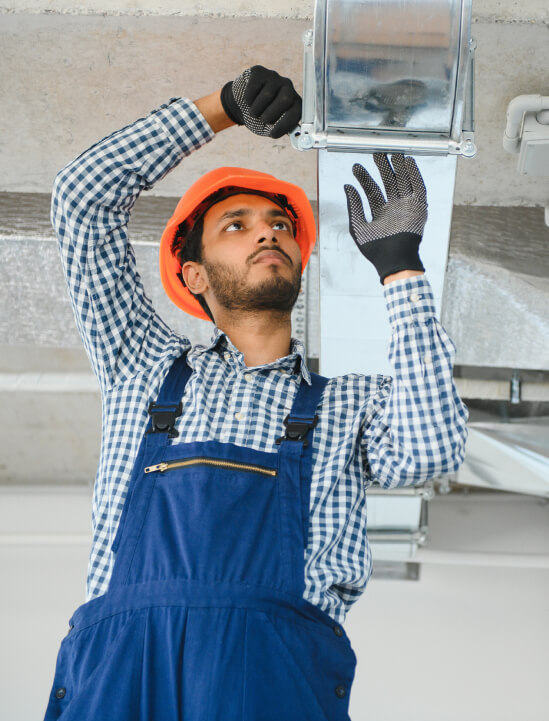
Frequent Garage Door Complications and Approaches for Pinpointing Them
Plenty of homeowners encounter ordinary garage door problems that can interfere with daily routines. These issues commonly manifest in various ways, revealing root mechanical or electrical issues. One ordinary problem is the door unable to open or close fully, which may point to poorly aligned tracks or a malfunctioning motor. Another typical issue includes unusual noises such as grinding or squeaking, often suggesting to deteriorated rollers or lack of lubrication.
Additionally, garage doors may display sluggish operation, a sign of electrical issues or sensor misalignment. Some property owners may observe the door reversing without warning, indicating an blockage or a defective sensor. Finally, visible wear and tear, such as corrosion or cracks, can compromise the door's integrity. Recognizing these typical problems promptly can avoid more substantial maintenance, guaranteeing the garage door functions effectively and safely.
How to Tackle Routine Garage Door Difficulties
Correcting common garage door issues calls for a organized strategy to assure safety and efficiency. To begin, one should inspect the door's tracks for unwanted materials, confirming smooth operation. If the door is unresponsive, verifying the battery levels in the remote and the power connection for the opener is necessary. In cases of misalignment, the tracks may require tuning to allow proper movement.
Dealing with noisy doors often means that applying lubricant to copyrights and rollers will fix your issue. When a door does not close completely, examining the closing sensors for blockages or misalignment becomes necessary. Should your springs be worn or broken, seeking expert help is suggested due to the risky nature of replacement.
To summarize, if the garage door reverses without notice, testing the safety sensors and making certain they are clean and properly oriented can help. Consistent maintenance and quick response to these issues can boost the lifespan of the garage door system.
Leading Door Care Suggestions
Servicing a garage door appropriately is essential to providing reliable and secure performance. Key practices comprise periodic application of lubricant on active elements and thorough evaluations of protective components. These efforts can markedly extend the garage door's durability while enhancing its practical use.
Consistent Greasing Techniques
Keeping a garage door's operation depends on regular lubrication practices that improve its efficiency and lifespan. Adequate oiling reduces wear and tear, reducing wear on moving parts such as rollers, copyrights, and tracks. It is recommended to use a silicone lubricant or light oil, which penetrates easily and provides effective protection against rust and corrosion.
Garage door specialists suggest greasing these components every six months to guarantee seamless functioning. Furthermore, it is essential to wipe off any surplus lubricant to avoid debris accumulation. Regularly checking and maintaining lubricity can help identify possible issues before they escalate, eventually prolonging the life of the garage door system and guaranteeing dependable operation for years to come.
Assessing Safety Features
Applying routine lubrication care greatly contributes to the overall functionality of a garage door, but its safety mechanisms also require attention. Regular checking of these features is key for assuring safe operation. Homeowners should inspect the auto-reverse mechanism, which should engage when an object is detected in the door's path. The safety sensors located at the door's base also need to be clear and well positioned to ensure effective functioning. Checking the door's balance is important, because an unbalanced door can cause safety issues. Finally, checking the emergency release mechanism to confirm smooth operation guarantees a reliable backup in case of power failure. Consistent safety checks can avoid accidents and increase the durability of the garage door system.
What Function Do Garage Door Elements Serve?
Garage doors contain several essential components, each playing a critical role in the system's overall functionality. The garage door itself functions like the main protective shield, providing safety and insulative qualities. The opener, often electric, automates the door's action, while the remote control grants hassle-free entry.
Tracks direct the door's movement, guaranteeing smooth operation. Rollers, fastened to the door, facilitate this movement along the tracks. Springs, either torsion or extension, supply the required counterbalance, making it easier to lift the heavy door. Cables link the springs to the door, permitting tension adjustments.
Safety sensors, located near the ground, identify obstructions and stop the door from closing on objects or individuals. Weather stripping seals gaps, blocking air and water from entering, while the frame holds up the door framework. Each part must function harmoniously to guarantee the garage door operates safely and efficiently.
Signals Your Garage Door Needs Professional Repair
Spotting warnings that a overhead door calls for skilled repair is important for maintaining safety and functionality. Peculiar sounds useful guide in working, trouble with smooth opening and closing, and visible damage are important indicators that intervention may be necessary. Swift action on these issues can prevent additional damage and secure reliable performance.
Unusual Noises When Operating
If a garage door begins to create unusual vibrations during its operation, this often signals hidden mechanical problems requiring professional attention. Common sounds, such as scraping, creaking, or rattling, can indicate problems with the rollers, springs, or motor. For instance, a grinding noise may suggest that the rollers are not working smoothly, while squeaking could point to a lack of lubrication. Additionally, a clattering sound may indicate loose hardware or components that need tightening. Ignoring these noises can lead to more serious damage and costly repairs. Homeowners should not attempt to diagnose or fix these issues independently, as improper handling can exacerbate the problem. Getting professional assistance ensures the garage door functions safely and efficiently.
Door Doesn't Operate Smoothly
Odd noises may regularly go along with other signs that suggest a garage door requires expert service. A garage door that doesn't open smoothly can be a major concern, revealing inherent issues such as misaligned tracks, deteriorated rollers, or broken springs. Homeowners may notice abrupt motions or a total inability to open, which can be annoying and troublesome. Such irregularities not only damage the door's performance but also pose safety dangers. Furthermore, if the door hesitates or strains during use, it may indicate that immediate attention is needed. Ignoring these warning signs can lead to more serious wear and costly repairs. Seeking expert support ensures a complete diagnosis and timely resolution, restoring the door's seamless performance and assuring safety.
Visible Issues or Dents
Visible damage or denting on a garage door can signal the need for expert maintenance. Such imperfections can occur due to multiple causes, including climatic elements, accidental impacts, or deterioration with age. Not only do these deformations affect the visual appearance of a home, but they can also undermine the door's operational capacity and safety. For instance, a dent may misalign the door, resulting in performance problems or even leaving the garage to potential intruders. Homeowners should evaluate the severity of the damage; small dings might be repairable with do-it-yourself solutions, while substantial damage often requires professional intervention. Disregarding visible damage could lead to more significant problems, rendering timely repair crucial for preserving both security and exterior attractiveness.
How to Find the Most Suitable Garage Door Service Provider
Picking the correct door maintenance provider can greatly determine the longevity and functionality of a garage door system. To reach the right choice, individuals should commence by researching local providers, emphasizing on their credibility and customer reviews. A dependable service provider often highlights positive feedback and testimonials, showing a history of satisfied clients.
Next, it is vital to validate the company's credentials, including licensing and insurance. This step ensures that the provider meets industry standards and is shielded from potential liabilities. Additionally, acquiring multiple quotes can help evaluate pricing structures, permitting comparisons between services offered.
Furthermore, reviewing the selection of services—including fixes, setup work, and maintenance—is essential. An ideal vendor should present a full portfolio of options tailored to meet assorted needs. Finally, consider the provider's experience; a long-standing company ordinarily possesses valuable proficiency in resolving diverse issues productively.
How to Prepare for Door Repair or Installation
During a garage restoration or installation process, householders can generally expect a structured approach from the service provider. Initially, the technician will appraise the existing condition of the garage door, spotting any faults or necessary upgrades. This evaluation often includes inspecting the door's mechanisms, tracks, and opener functionality.
Once the inspection is complete, the technician will explain the necessary repairs or installation process, including expected timelines and fees. Homeowners should get a detailed estimate before any work starts.
Throughout the upkeep or fitting, the technician will use specialized tools and equipment to guarantee well-being and streamlined operation. Homeowners are motivated to ask questions and express any concerns throughout the process. When the assignment is done, the technician commonly tests the door to authenticate correct working and may impart maintenance tips to prolong the door's lifespan. Overall, straightforward interaction and polished service are key elements of the service experience.
Often Raised Questions
How much time Does a Typical Garage Door Installation Require?
A conventional garage door installation generally takes between four to six hours. Considerations such as the model of door, existing hardware, and complexity of the job can influence the overall timeframe needed for accomplishment.
Do garage entrance repair services offer guarantees?
Yes, many door service providers offer guarantees that cover labor and components, typically ranging from one to several years. It's essential for property owners to review coverage terms prior to hiring a technician to ensure adequate coverage and protection.
Can I install a overhead door myself?
Yes, one can put in a garage door on their own, as long as they have the necessary tools and skills. However, they should consider possible dangers and issues, as expert installation often ensures correct operation and protection plans.
What Do Garage Door Repairs Expense You?
Garage door service expenses typically range from $100 to $500, depending on the issue's complexity. Factors influencing prices consist of parts needed, labor rates, and whether the door requires adjustments or complete replacement.
How Can I Increase My Garage Door's Security Measures?
To upgrade garage door security, one might install deadbolts, security cameras, motion sensors, and smart locks. Regular maintenance, including checking for vulnerabilities, also helps ensure the door remains secure against potential break-ins.